
SEO ideas examined
SEO Avalanche Technique: A Useful Framework or Unsupported Theory?
The SEO Avalanche technique encourages smaller websites to target lower-competition topics before moving towards larger opportunities. That principle can be sensible. The claimed traffic tiers and Google trust mechanics are not confirmed Google systems.
What is the SEO Avalanche technique?
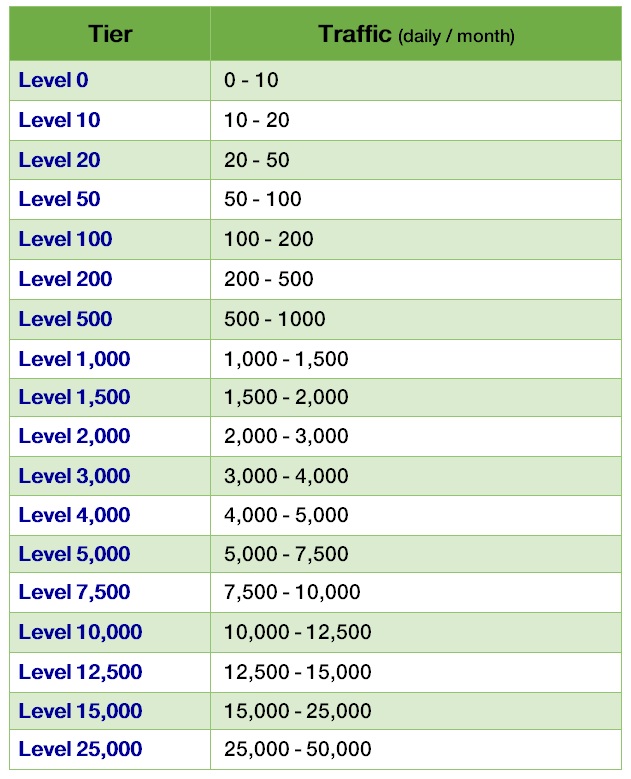
The SEO Avalanche technique was described by Chris Carter as a way for websites with limited resources to grow gradually. The approach groups a site into traffic tiers and suggests targeting keywords with monthly search demand roughly aligned with its current daily organic traffic.
As performance improves, the site moves towards more competitive topics. The original idea is detailed in a Builder Society discussion.
The useful principle underneath it
A new or modest website will usually struggle to compete immediately with established organisations on broad, valuable topics. Beginning with specific questions where you have real experience and a strong answer can be more realistic.
Publishing related, genuinely useful pages also helps build a coherent resource rather than a collection of disconnected keywords.
Why I treated it as a theory
When we first explored the SEO Avalanche technique, I could not find anything from Google confirming that websites are placed into fixed traffic tiers. I still think it is more honest to describe the process as a theory or planning framework rather than a proven part of the ranking system.
Even so, part of the idea made practical sense to me. I had seen well-ranking pages lose ground after losing one or two strong, relevant backlinks. That did not prove the Avalanche explanation, but it reinforced the broader point that a site should build authority gradually and avoid assuming that one ranking will remain secure.
The most useful lesson was to work from the evidence available to your own site. Publish for questions you can answer properly, track what happens and widen the competition only as the site develops stronger content, links and audience signals.
What is not confirmed
Google has not confirmed an Avalanche traffic-tier system or a site-wide “trust score” that works in the way the theory describes. Third-party authority metrics are not Google metrics either.
That does not make the entire planning idea useless. It means you should not treat the tier table as a rule, promise or explanation of how rankings are assigned.
“Start with realistic competition” is practical advice. “Google places your website in this precise traffic tier” is an unverified theory.
A safer way to apply the idea
Review your real data
Use Search Console to identify the pages and queries already gaining impressions or clicks.
Choose a focused audience need
Find a specific question that fits the purpose of your site and your genuine knowledge.
Inspect the results manually
Check intent, competitors, result types and whether current pages answer the question well.
Create the best resource you can
Add first-hand experience, clear structure, useful examples and accurate supporting information.
Review patterns, not daily noise
Use several months of evidence to decide whether to refresh, expand or tackle a broader topic.
Do you need to publish every day?
No. Publishing frequency should match your ability to maintain quality and accuracy. Google’s guidance focuses on helpful, reliable content created for people, not a daily production quota.
A slower schedule of strong, connected resources is more sustainable than filling the site with articles you cannot keep current.
Our conclusion
The SEO Avalanche technique can be a helpful mental model for patience and realistic topic selection. It should not become another formula that distracts from the audience.
Use the principle, test it against your data and stay willing to change direction when the evidence says otherwise.
Your next step
Use frameworks without surrendering judgement
SEO theories can inspire a test. Your audience, your data and official guidance should shape the decision.
Leave a Reply